
How to Check Criminal History in Plains
A Plains search works best as a chain of focused contacts. City Hall can route a request to police or the combined City and Municipal Court Clerk. The Sumter roster is a useful next check if custody may have moved to the county, but the inspected city sources do not establish that every Plains arrest goes there. A county clerk search belongs later and only when a State or Superior Court prosecution exists.
- Call Plains City Hall and identify whether the police department or municipal clerk holds the record.
- Request the incident report or citation with a date, location, and number if known.
- Ask the municipal clerk how to inspect the docket, disposition, and available copies.
- Check Sumter custody and county courts when the matter may have moved beyond city jurisdiction.
- Use an authorized GCIC self-review channel for one’s broader reported Georgia history.
Keep the request narrow. Ask about the Open Records Act process, current fee, redaction, delivery method, and expected response. Do not assume the county owns a city police report or that a repository entry supplies the full municipal case file.
Calling Plains City Hall for Records
Plains City Hall is at 101 West Church Street, Plains, Georgia 31780. The city publishes 229-824-5445 as the contact for its departments. Its official department list names the police chief, the combined City and Municipal Court Clerk, and the municipal judge. That compact structure makes a phone call the verified front door for both police-record and court-record questions.
No separate records-unit phone, public request form, direct records email, fee schedule, police hours, or municipal search database was found in the inspected city material. Ask the person answering to identify the custodian and the correct way to submit a written request. Confirm office hours before traveling because the research did not verify them.
The official Plains departments page provides the city’s police and court contacts.
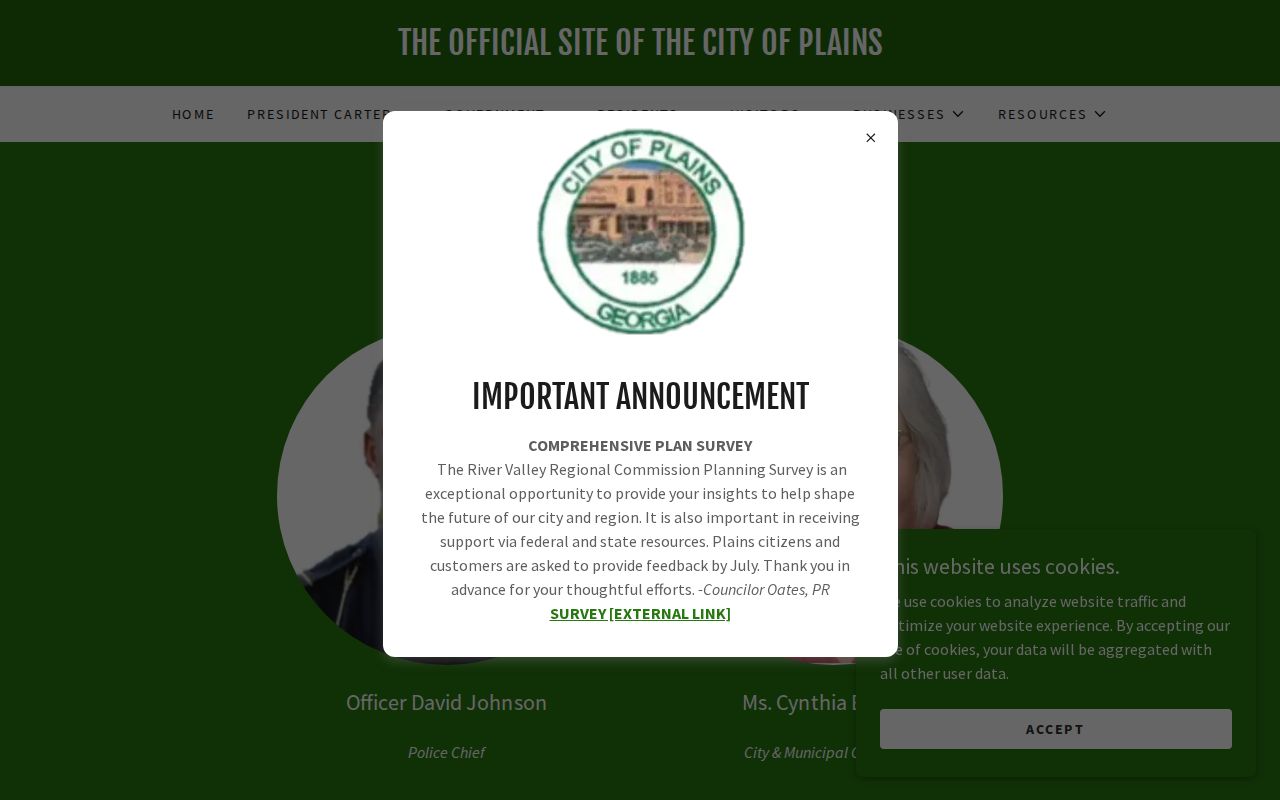
That page is the source to recheck for changes in named officials or department routing.
The Plains Police Department
The city’s inspected department list identifies Police Chief Officer David Johnson. Contact runs through City Hall at 229-824-5445 rather than a published online police records counter. For an incident report, give the approximate date, time, location, involved agency, and a report number when available. Ask whether the city wants the request by mail, in person, or another current method.
Plains Police and the Sumter County Sheriff are separate custodians. A report made by a Plains officer remains a city record even if later custody or prosecution creates county material. The sheriff cannot be assumed to keep every Plains narrative, and a city clerk cannot supply a county Superior Court disposition. Matching the office to the record prevents missed or incomplete results.
No Plains Police Records Portal
No official Plains police report portal, online blotter, arrest database, or public request form was verified. That is an access limitation, not evidence that records do not exist. Start with the published city telephone number and ask for the police record custodian. If staff requires a written Open Records Act request, seek the current delivery address and cost estimate before sending it.
A broad name request may be difficult to fulfill and can capture protected material. A request tied to a known incident, citation, date range, or location is more precise. The custodian may redact victim details, juvenile information, protected identifiers, medical facts, or active investigative content. Ask for segregable nonexempt portions if only part of the record is withheld.
Arrests and Bookings in Plains
City sources did not verify a Plains holding facility or a fixed booking destination. It would be inaccurate to say that every Plains arrestee is booked into the Sumter County Jail. When transport to county custody is possible, check the county-endorsed InteropWeb roster and call both city and county offices to confirm the correct trail.
An arrest can produce several records. Plains Police may create an incident or arrest report. A receiving jail creates intake and custody data. A court later creates a docket if a charge is filed. Fingerprint-supported events may reach GCIC. These records can disagree for a time because they are made by different offices at different stages.
The roster shows custody-stage allegations, not guilt. A released status does not explain whether bond was posted, transfer occurred, or prosecution ended. A no-result also does not clear a person of a past booking or establish that Plains Police made no report.
Tracing a Plains Arrest Carefully
Begin with Plains Police when the question is what the officer documented. Move to the Sumter roster when county booking may have occurred. Then identify the court that received the charge. A city citation may remain in Plains Municipal Court, while a county misdemeanor generally belongs in Sumter State Court and a felony in Superior Court.
The arrest label may change before filing. A prosecutor may decline, dismiss, reduce, add, or rename a charge. That makes the final docket and disposition more useful than the original booking label when the question concerns outcome. The full county booking workflow appears in the Sumter County arrest history resource.
Plains Municipal Court Records
The city department list identifies Cynthia Bagwell as City and Municipal Court Clerk and Michael Fennessy as municipal judge as of the research date. Names can change, so confirm them on the current city page. The municipal clerk is the proper starting point for a Plains citation, local docket, traffic matter, or ordinance case.
No public municipal case-search fields, docket portal, copy price, court calendar, or separate court phone was verified. Call City Hall with the name, citation number, and approximate date. Ask how to inspect the docket, whether a written request is required, and how to obtain a disposition or certified copy.
| Court Name | Plains Municipal Court |
|---|---|
| Case Types Heard | City ordinance, traffic, and other matters within municipal authority |
| Case Lookup Channel | Combined City and Municipal Court Clerk through City Hall |
| What to Request | Citation, docket entries, plea, disposition, sentence, and available orders |
| Copies & Fees | No verified schedule; confirm inspection, copy, and certification terms |
Plains Court Search Has No Portal
The absence of an online lookup changes the method, not the legal meaning of the file. A clerk-assisted search may require enough facts to distinguish people with similar names. Supply a citation number when possible, along with an approximate date and the kind of city matter involved. Ask whether older material is kept in another format or location.
County clerks do not hold Plains city offenses merely because Plains lies in Sumter County. Move to the Sumter Superior and State Court clerk only when the charge entered county jurisdiction. Georgia Courts’ E-Access directory points those county courts to PeachCourt, which requires an account. The municipal clerk remains essential for a city-level case.
The Georgia courts navigation resource explains how court jurisdiction affects the right place to search.
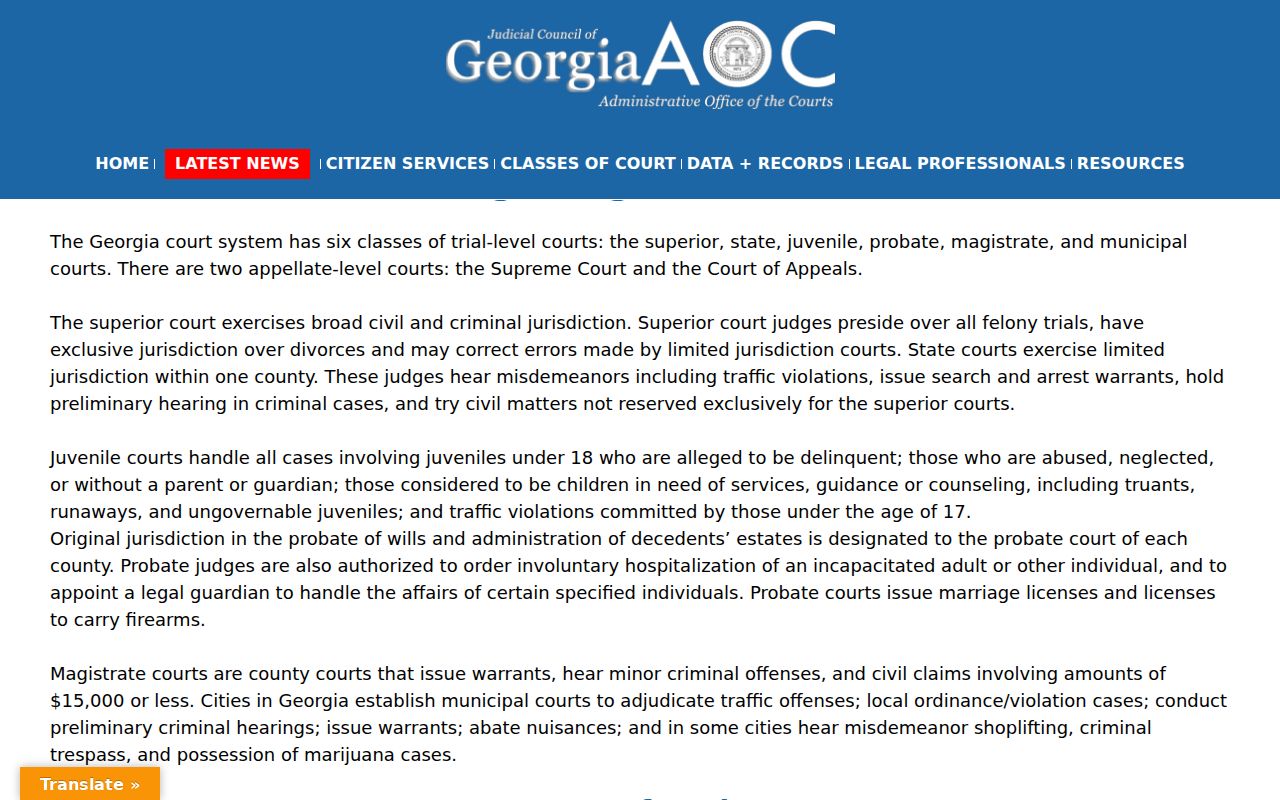
That statewide explanation supports the handoff between the Plains clerk and Sumter’s county courts without creating a nonexistent city portal.
Where Plains Records End Up
A Plains police contact may remain only a city report, or it may lead to custody, municipal proceedings, county prosecution, and repository reporting. The path depends on what occurred and which charge was filed. It is safer to confirm each stage than to infer the entire history from one screen.
Record flow: Plains Police Department › Plains Municipal Court or Sumter County Courts › Georgia Bureau of Investigation and Georgia Crime Information Center
For a fresh incident, start with Plains. For possible custody, check Sumter’s official roster and call the jail. For the legal result, use the court with jurisdiction. For one’s statewide Georgia record, request GCIC self-review through an authorized law-enforcement channel. A Georgia Felon Search result is narrower because it concerns public felony convictions rather than a complete consent-based history.
Plains and Sumter Records Differ
A city police report tells what Plains officers recorded. A booking record documents intake and custody. The municipal docket shows the progress and outcome of a city matter. A Sumter county file covers a prosecution filed in State or Superior Court. GCIC aggregates reported Georgia arrest cycles and dispositions. None should be described as a substitute for all the others.
This distinction matters when correcting a record. GCIC says the originating agency must provide documentation or authorization for changes. If a court file has the correct disposition but the repository does not, obtain certified proof and follow the official correction route. If the police report itself is wrong, begin with the city custodian.
Plains Local Scale and Record Access
The official 2020 Census count places Plains at 573 residents, making it the county’s second-largest incorporated city in the research ranking. Its small administrative structure explains why police and court inquiries share a City Hall contact instead of separate web portals. Population does not measure crime, nor does missing city-level statistical data mean zero incidents.
Use FBI Crime Data Explorer or the GBI agency selector only when the Plains agency data is published. Suppressed, unavailable, or unreported figures should remain unknown. Do not replace them with a county rate and label it a Plains rate. Personal records must still come from the correct report, docket, custody, or repository channel.
Plains History Is Not a Record Portal
Plains is closely tied to the Jimmy Carter National Historical Park. That civic and historical context helps identify the place, but National Park Service visitor resources do not hold Plains police reports or municipal dockets. Historical research and current criminal-record access require different custodians.
The National Park Service’s official Carter sites page documents local historical geography.
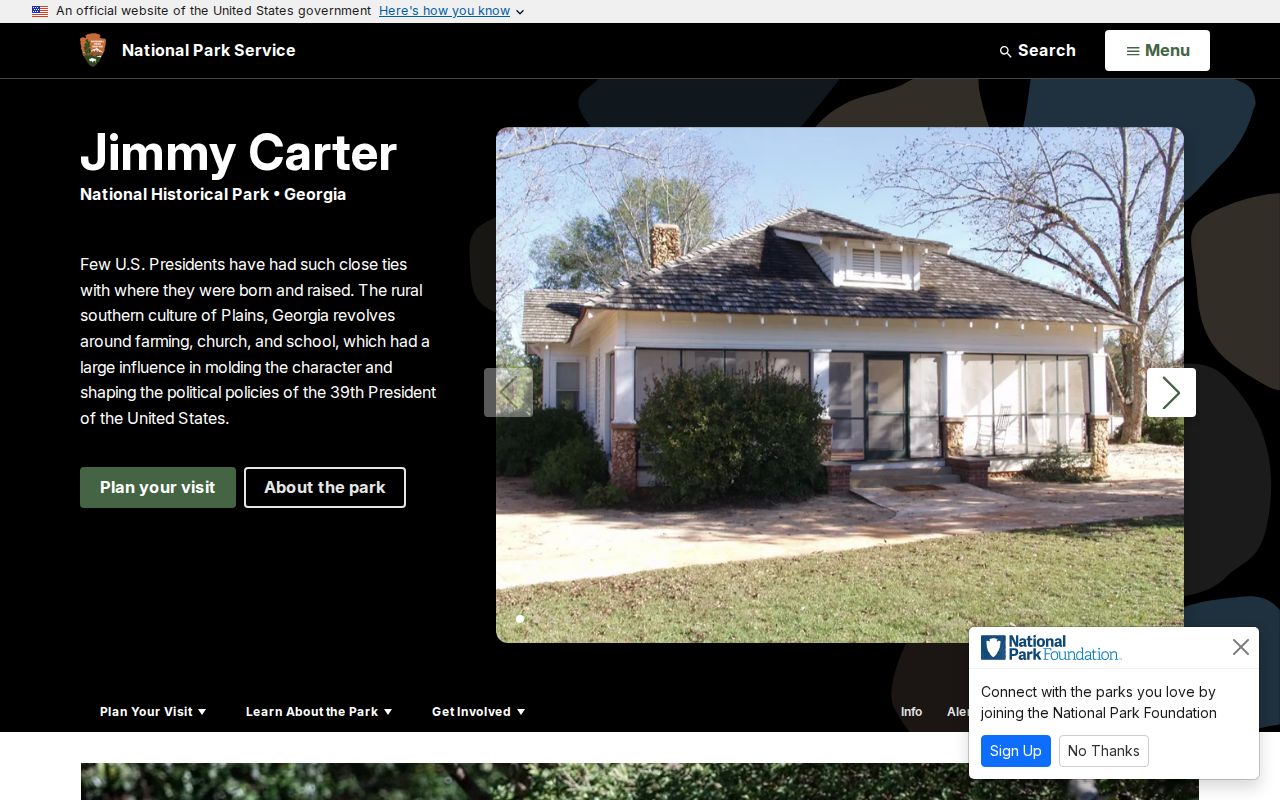
The park source adds verified Plains context while keeping record requests directed to City Hall, police, and the municipal clerk.
The official City of Plains homepage remains the better source for current local government links.
Check the city homepage before a visit because contact and office information may change.
Federal Cases Beyond Plains Courts
A federal prosecution arising from the area would not appear as a Plains municipal case or a Sumter State Court matter. Sumter County lies within the Middle District of Georgia, and PACER supplies federal docket access under its own account and fee rules. That is a separate layer and should be used only when a federal case is the actual question.
The official PACER policies page explains federal electronic access and charges.
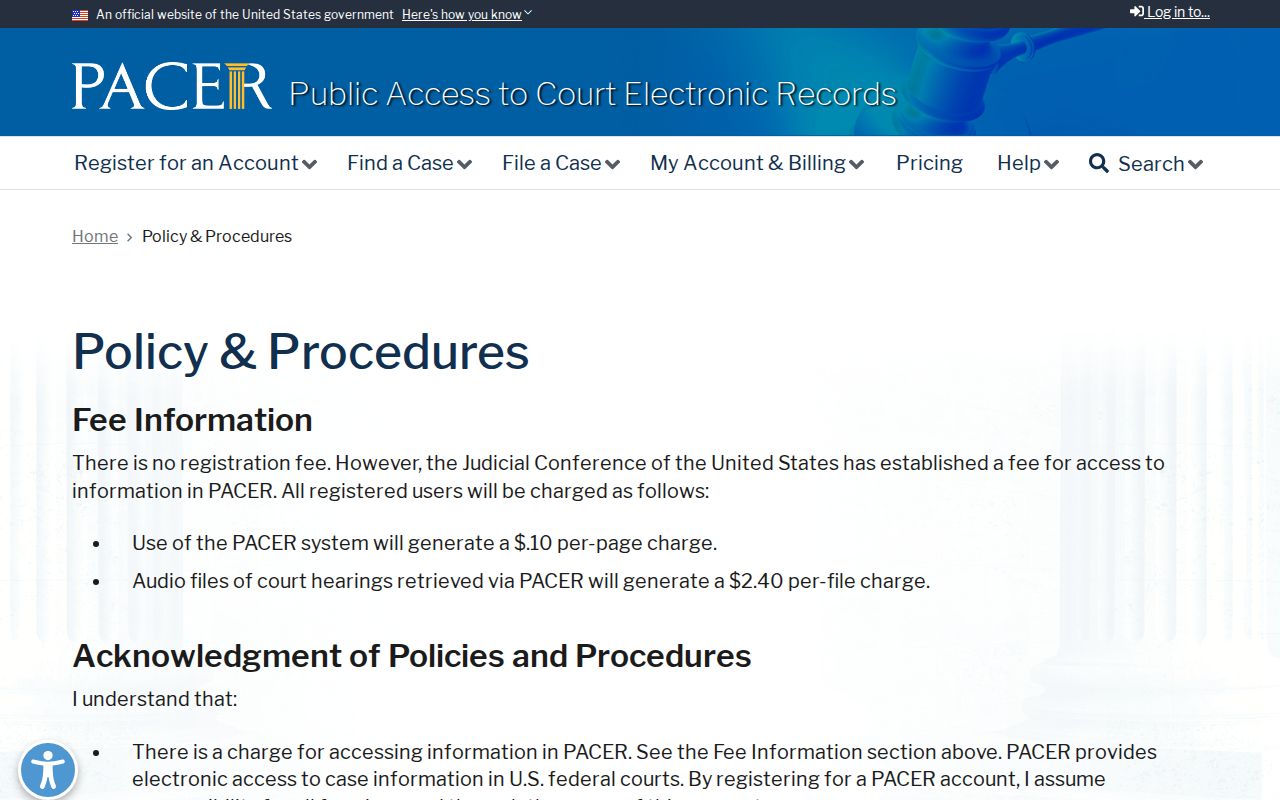
PACER does not replace the Plains clerk, local police, Sumter roster, or Georgia repository channels.
Public Access Rules for Plains Records
The Georgia Open Records Act governs city administrative and police-record requests, subject to exemptions and redaction. Existing public records may be inspected or copied, but the Act does not force an office to create a new report. Court access carries its own rules, while Georgia criminal-history dissemination law controls consent-based histories and public felony-conviction access.
Key Statutes:
Georgia Open Records Act, O.C.G.A. §50-18-70 et seq. provides public-record access and allows lawful withholding or redaction.
O.C.G.A. §35-3-34 governs Georgia criminal-history dissemination, consent, and public felony-conviction searches.
O.C.G.A. §35-3-37 governs correction and restriction of eligible Georgia history.
Uniform Superior Court Rule 21 protects court-file access subject to specific limits.
The Georgia Attorney General open-government FAQ provides official guidance on timing, fees, and exemptions.
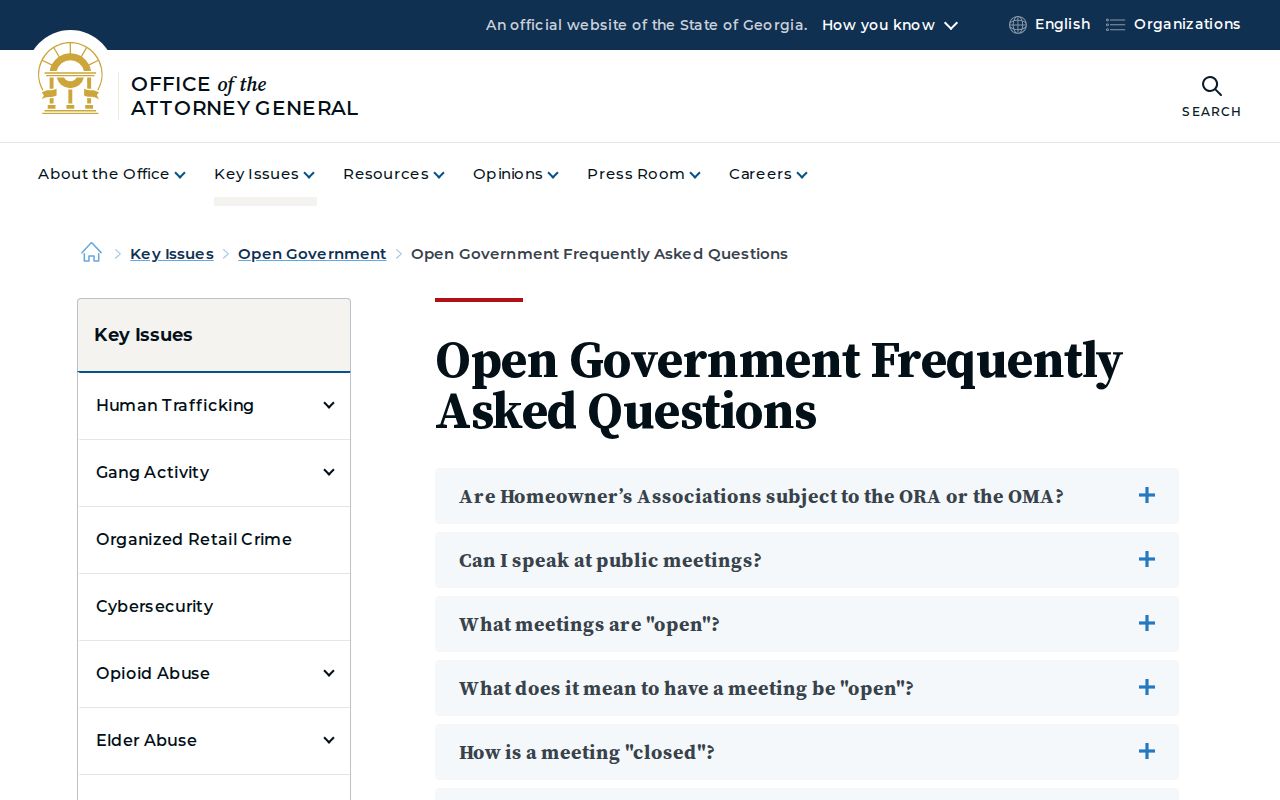
Use that guidance with the current instructions supplied by Plains City Hall, since no city fee schedule was verified.