
How to Check Criminal History in Sumter County
Start by defining the record. For a pending felony or county misdemeanor, use the Sumter County Clerk of Superior and State Court or the Georgia Courts e-access route to PeachCourt. Current custody and recent intake appear through the sheriff-endorsed InteropWeb roster. A local Georgia history can be requested in person from Sheriff Records. Georgia Felon Search is limited to public felony convictions, while the Georgia Bureau of Investigation explains broader consent and self-review channels.
- Write down the full name, date range, and record type.
- Check the agency that created the first record.
- Move to the correct court for filed charges and disposition.
- Use GCIC or Georgia Felon Search for the proper statewide product.
- Confirm ambiguous results with the official custodian before relying on them.
The official Sumter County homepage is a useful directory for offices and current notices.
The county homepage also helps distinguish the courthouse, jail, and correctional institute before a visitor calls or travels.

Use its department links as a routing tool, not as proof that every county record is held by one central office.
Three Sumter Criminal Record Systems
The jail roster, clerk file, and GCIC history answer separate questions. A roster entry records intake and custody-stage allegations. The clerk file shows whether a prosecutor filed a case, what appeared on the docket, and how the court resolved it. GCIC links reported arrest cycles and dispositions through Georgia's statewide criminal-history system. Timing can make them disagree without any source being fraudulent.
| Source | Best use |
|---|---|
| Sumter jail roster | Current custody and recent booking |
| Superior/State Clerk | Filed county case, docket, and disposition |
| GCIC channels | Reported Georgia history and self-review |
A no-result is not a clean-record certificate. Names may differ, a case may be in a city court, and recent outcomes may not yet have reached the repository.
The right sequence also changes with time. For a very recent event, inspect the roster first and identify the arresting agency. Request that agency's report for its account of the event. Next, check the proper clerk to learn whether a charge was filed and how it ended. For a statewide view of one's own reported Georgia history, use the self-review route described by GBI. Each step answers a new question instead of repeating the same search.
Official Georgia Background Checks
The Georgia Bureau of Investigation says most sheriffs and police departments can provide a person's Georgia history under local requirements. Sumter Sheriff advertises walk-in service through Records at 352 McMath Mill Road for $20, cash only. Call 229-924-4094 before traveling if a current identification or consent rule matters. GCIC itself does not perform routine public name checks at its office.
Georgia Felon Search is a different product. Under O.C.G.A. §35-3-34(d.2), it permits a public search for Georgia felony convictions using full name, race, sex, and date of birth. The GBI notes a credit-card transaction fee but does not publish the live amount in its FAQ. It is narrower than a consent-based Georgia history and does not replace a Sumter court search.
The Georgia Crime Information Center overview explains the state repository's role.
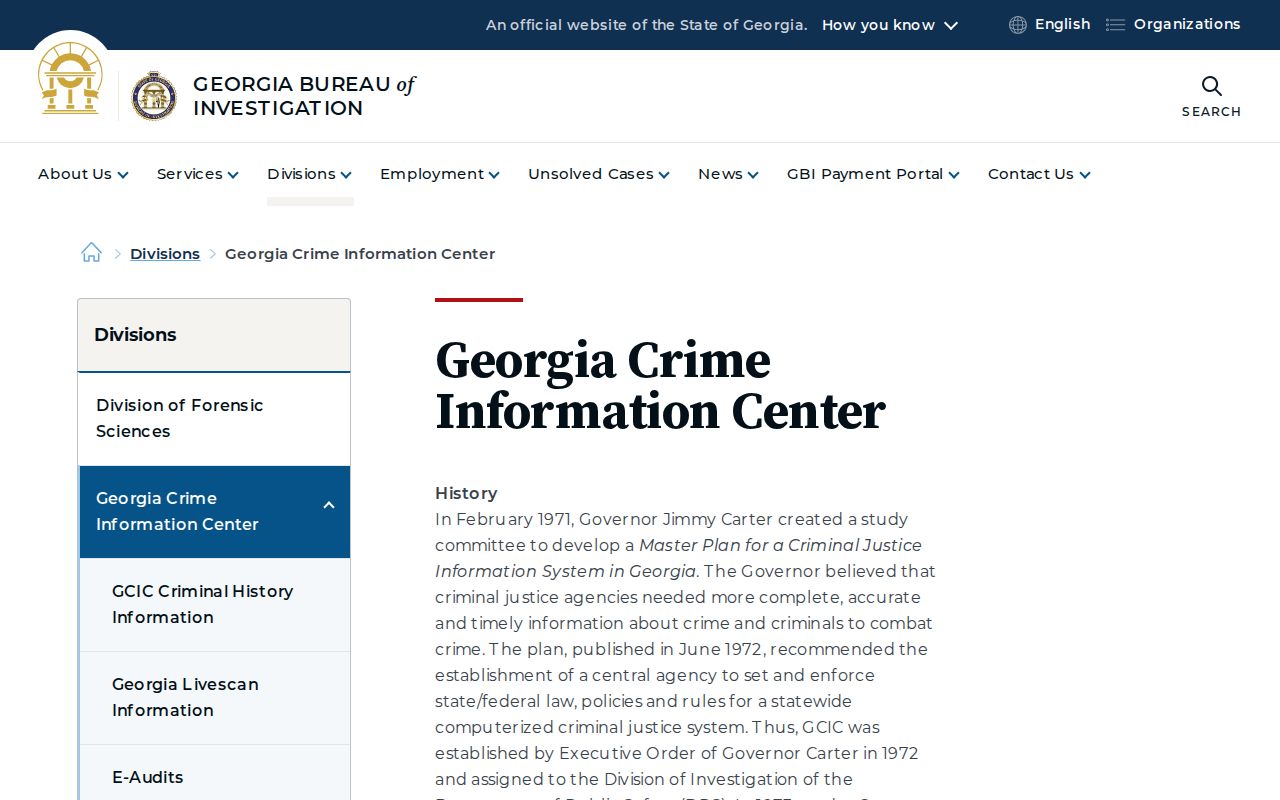
GCIC connects reported identity, arrest, charge, disposition, and custody data, but the originating agency remains vital when a correction is needed.
Sumter's Cash-Only Local History
Sheriff Records offers one of the clearest local access rules in the research: visit the sheriff's office and request the history in person. The stated charge is $20 cash. The county does not publish an appointment rule, separate records email, online request portal, or turnaround for this service. Those gaps make a short confirmation call useful, particularly before a long trip.
The official Sheriff's Office page identifies the Records Division and public office information.
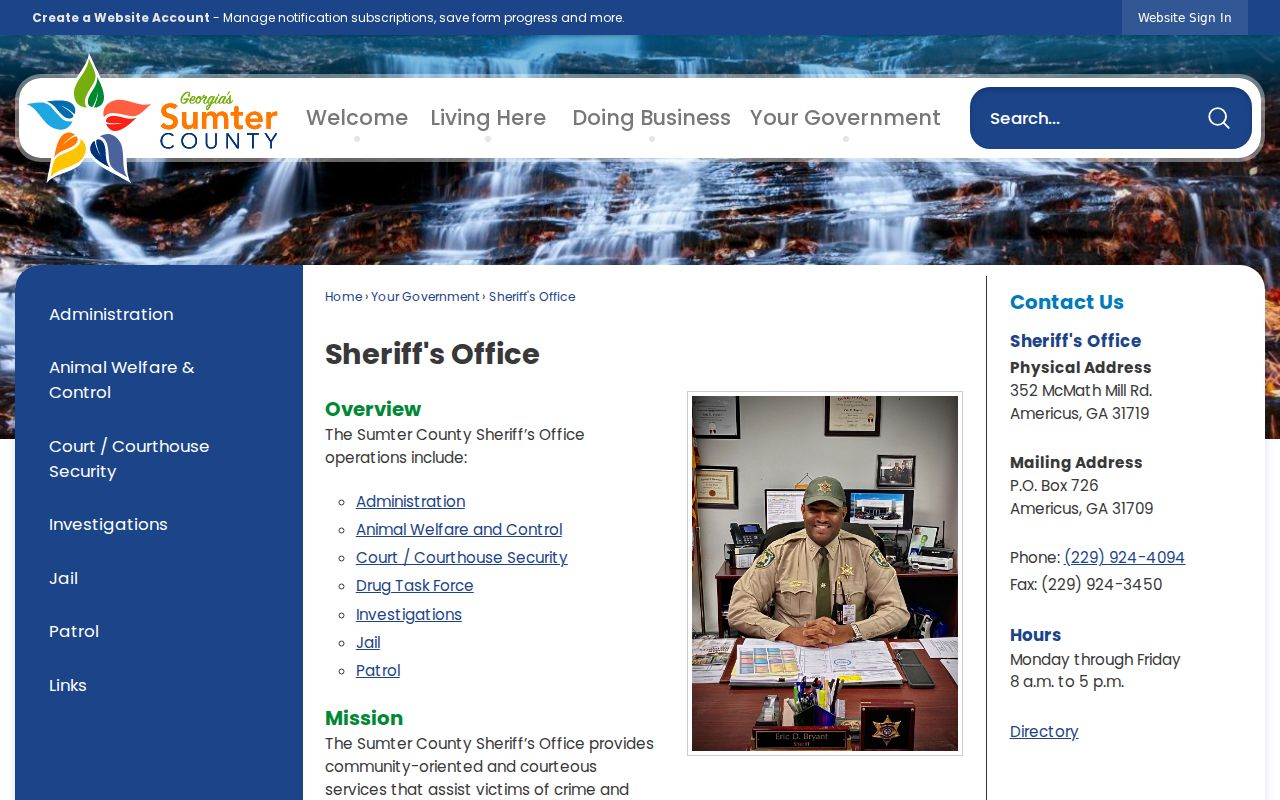
Ask which identification and consent documents apply to the specific history requested, since Georgia access depends on the product and requester.
Types of Criminal Records
An incident report describes what an agency says occurred. An arrest report records enforcement action. Jail intake adds custody, charge, warrant, and bond data. A criminal case file begins when the matter reaches court and may include an accusation or indictment, motions, plea, judgment, sentence, and later proceedings. A GCIC history aggregates reported Georgia events. GDC records address state correctional custody, and the Georgia Violent Sexual Offender Registry is a separate public-safety system created by statute.
City records remain with city custodians. Americus Police reports do not become Sheriff Records files merely because an arrestee later appears at the county jail. Plains and Leslie also maintain their own police and municipal channels. Federal prosecutions are searched through PACER and the Middle District of Georgia rather than through the Sumter clerk.
Warrants require similar care. Magistrate Court can issue arrest warrants, while a Superior, State, or Municipal Court may issue a bench or capias-type order after a missed appearance or other court event. A warrant number on an old booking row is not an active-warrant database. Confirm the issuing court and case. Ask that office or the sheriff about lawful resolution steps, and seek legal advice when personal risk or surrender terms are unclear.
Two McMath Mill Facilities
The pretrial jail and sheriff headquarters share 352 McMath Mill Road. The Sumter County Correctional Institute is next door at 346 McMath Mill Road and is a separate institution. A person held before a local court date belongs in the jail search. A correctional-institute question needs that facility's own channel. Mixing the two can lead to the wrong counter, phone call, or roster.
The Sheriff Administration page describes records staff, evidence and property work, internal affairs, and warrant service.
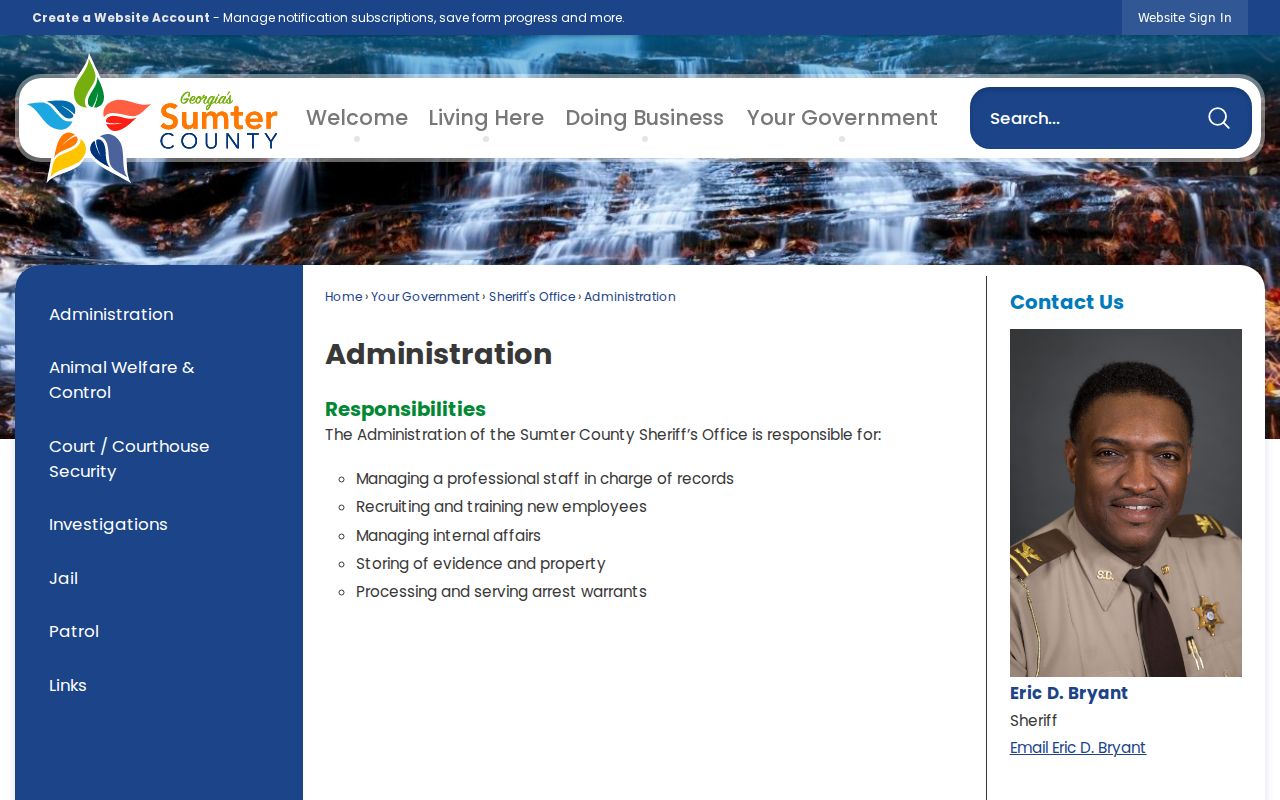
Official sources also show a ZIP-code discrepancy for the sheriff site, so confirm the mailing address before sending documents.
What a Sumter County Criminal Record Shows
Content depends on the custodian. A Sumter booking profile may show a photograph, name, sex, height, weight, address, booking and release dates, status, total bond, and a charge grid with warrant number, counts, statute, description, M/F indicator, and court. The public roster does not expose many fields common on other jail sites, including date of birth, booking time, release timestamp, pod, bond type, or future hearing. Do not assume those fields exist online.
A clerk file may show case number, filings, docket events, plea, disposition, sentence, and orders. Ask the clerk to confirm which fields are available after PeachCourt login or at the counter. GCIC data can include identity, arrest, charge, and disposition information reported by contributing agencies. An Offender Tracking Number, or OTN, helps connect the arrest cycle to later court reporting.
Identity check: Common names require more than a visual match. Compare lawful identifiers and confirm through the record holder.
When PeachCourt Requires an Account
Georgia has no single free statewide public case index. The official E-Access directory sends both Sumter Superior and State Court searches to PeachCourt. Its public landing screen shows registration and password recovery, but the search form, result fields, limits, and document pricing sit behind authentication. That gate should be stated plainly rather than filled with guesses taken from another county's system.
If online access fails, call the unified clerk at 229-928-4537. Supply the name, approximate filing or arrest date, likely court, and any known case number or OTN. Ask about inspection, older nondigitized files, ordinary copies, and certification. The counter is at 500 West Lamar Street in Americus and operates Monday through Friday, 9 a.m. to 5 p.m.
Public Access Laws
The Georgia Open Records Act, O.C.G.A. §50-18-70 et seq., governs many agency records, but court files also follow court rules and record-specific statutes. The county form asks whether the requester wants inspection, copies, or email information and offers a three-business-day availability choice or a later preferred date. The period is a response or production-timetable framework, not a promise that every request will be complete in three days.
Search, retrieval, copying, and supervision can be charged at the rate of the lowest-paid qualified full-time employee after the first 15 minutes. The Sumter form states $0.10 per page unless another law controls. Court copies, sheriff services, and other custodians may use different lawful schedules. Narrow requests by agency, record type, date, location, and incident or case number.
Juvenile material, sealed or restricted records, active investigative material, victim details, medical information, security material, and protected identifiers may be withheld or redacted. Ask for segregable nonexempt parts instead of assuming the whole file must be open.
Send the request to the creator of the record. A deputy report belongs with Sheriff Records, an Americus police report goes through the city's process, and state patrol or GBI material goes to the respective state custodian. The Board of Commissioners form is a documented county fallback, but it does not make the Board custodian of another agency's file. Requesters save time and possible labor charges when they name a short date range and an existing record rather than asking an office to answer broad questions.
GAPS Fingerprint Record Checks
Georgia Applicant Processing Service is the state's fingerprint channel for checks required by law. IdentoGO by IDEMIA has operated GAPS enrollment since February 3, 2025. Registration and scheduling occur through the official portal, and the applicant brings valid photo identification. Research did not verify an enrollment site inside Sumter County, so use the live locator during registration instead of relying on an assumed local address.
The official GAPS registration page is the proper starting point.
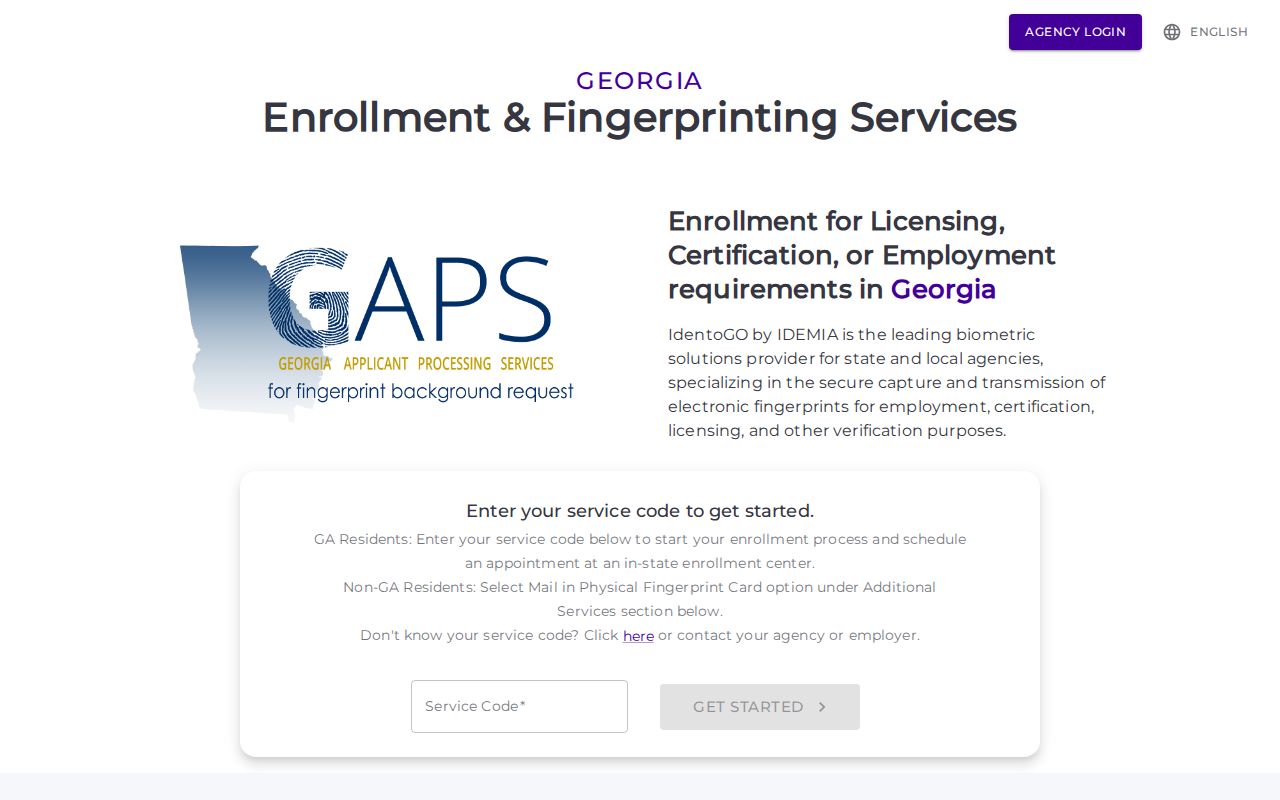
A fingerprint result, public felony search, court docket, and jail roster are distinct products. Select the one the official purpose requires.
Sealed, Expunged & Restricted
Georgia uses the term record restriction for limiting eligible criminal-history dissemination. It is not identical to sealing a court file, and it does not erase every record. For arrests before July 1, 2013, an eligible person generally begins with the arresting agency. For later arrests, the prosecutor handles the request path. The GBI restriction form follows a three-section workflow involving the requester, arresting agency, and prosecutor.
First Offender Act discharge can produce exoneration and sealing consequences, but eligibility and docket treatment depend on the case. A clerk record may remain visible even when repository dissemination is restricted unless a sealing authority also applies. Obtain certified disposition material when a history lacks an outcome, then follow GCIC correction instructions and the originating agency's process.
Restriction and correction solve different problems. Restriction concerns who may receive eligible history information. Correction addresses data that is incomplete or wrong. GBI states that the originating agency must provide documentation or authorize the change, which is why a certified court disposition and the arresting agency's records can matter. Avoid promises that one approved request will remove every copy held by courts, police, private publishers, or federal systems.
Sumter Supervision Has No Public List
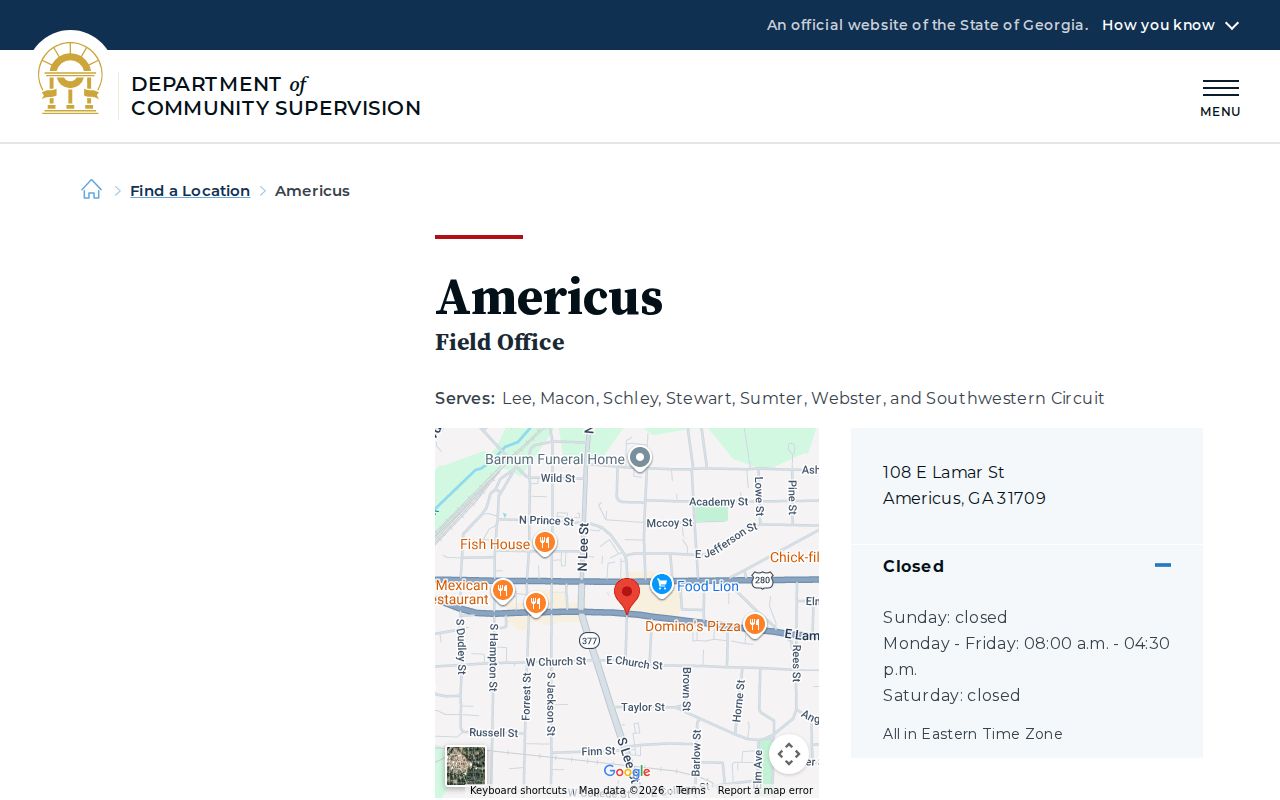
The Georgia Department of Community Supervision operates the Americus Field Office for adult felony supervision in Sumter and nearby counties. There is no complete public probation search. Check the sentencing docket for probation terms or a violation case, use GDC for correctional custody and release information, and call DCS for an appropriate supervision question. Absence from the offender locator does not prove that a person is not supervised.
The official Americus DCS office page lists the local field office.
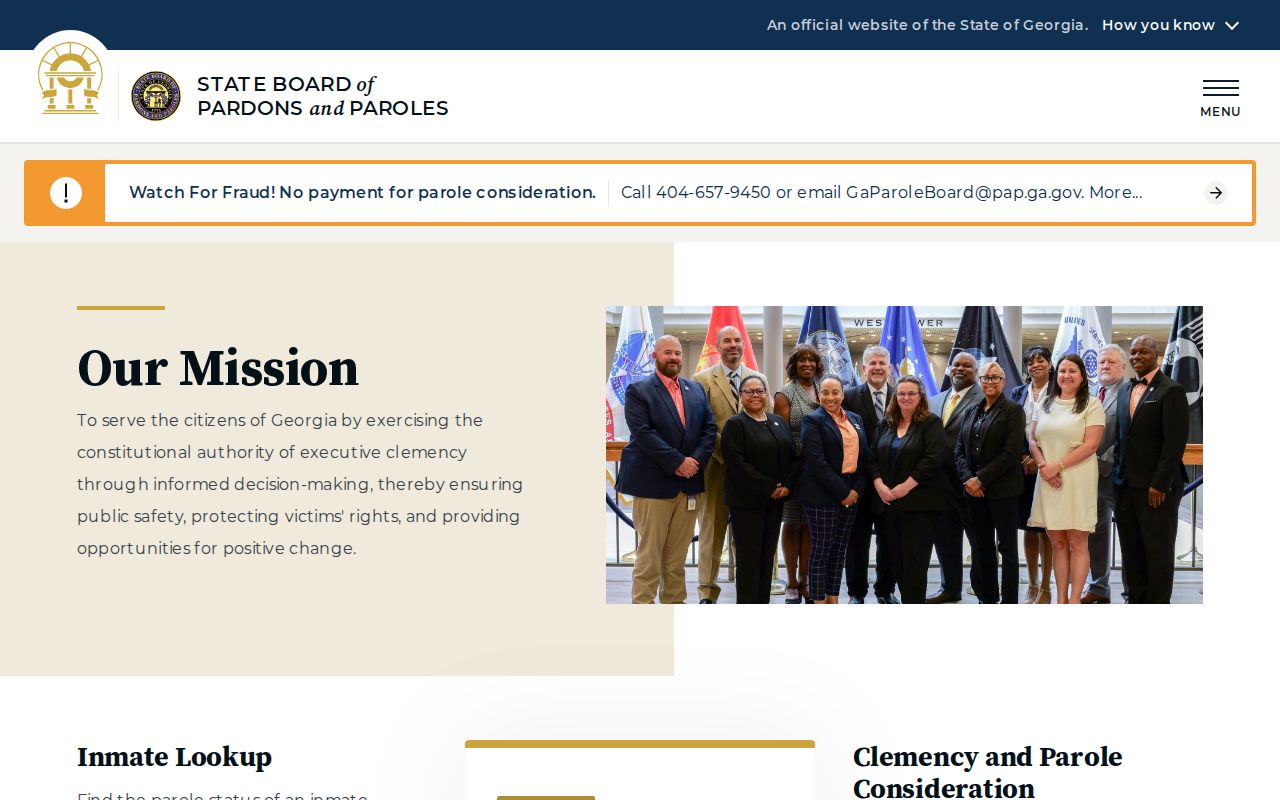
Parole decisions belong to the Georgia State Board of Pardons and Paroles, while DCS handles field supervision.
The Board's official site describes its separate authority.
A sentencing docket remains the best source for the court's actual order and later revocation events.
Criminal Records by City in Sumter County
Americus, Plains, and Leslie were Sumter County's three largest incorporated places in the 2020 Census. Each city has its own police and municipal record path. City police reports stay with the creating department. Municipal court files concern city matters, while county felony and misdemeanor prosecutions move through the appropriate Sumter court. A county jail entry can be one part of the chain without turning the city report into a sheriff record.
Sumter Record Search Context
Sumter County had an estimated 28,801 residents in 2025, down from 29,616 in the 2020 Census, across about 483 square miles. Americus is the county seat and the hub for the courthouse, sheriff, state supervision office, district attorney, and public defender. The jail also houses people connected to Americus and surrounding counties, so a roster entry may involve an arresting agency or underlying case outside the county.
The Census QuickFacts profile supplies the county context.
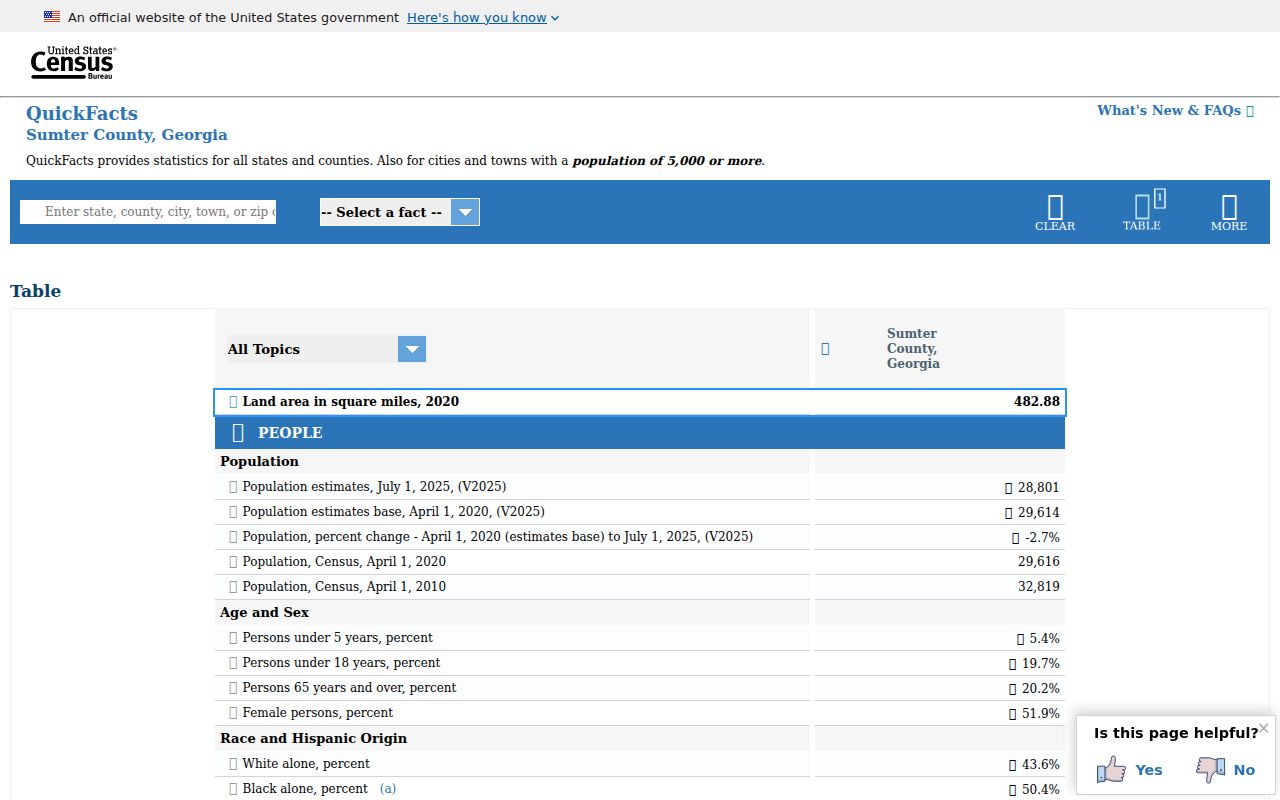
Population and geography explain why phone, authenticated portal, and counter channels all matter. They do not predict whether any named person has a record.
A No-Result Needs a Second Check
Recent activity may appear in the jail system before formal charges reach a clerk or before a disposition reaches GCIC. City offenses can be absent from the county clerk because Americus, Plains, and Leslie municipal matters have separate custodians. A released jail status says only that custody ended at the displayed stage. It does not mean dismissal, acquittal, bond, transfer, or sentence completion.
The GBI criminal-history FAQ explains record access, contents, restrictions, and corrections.
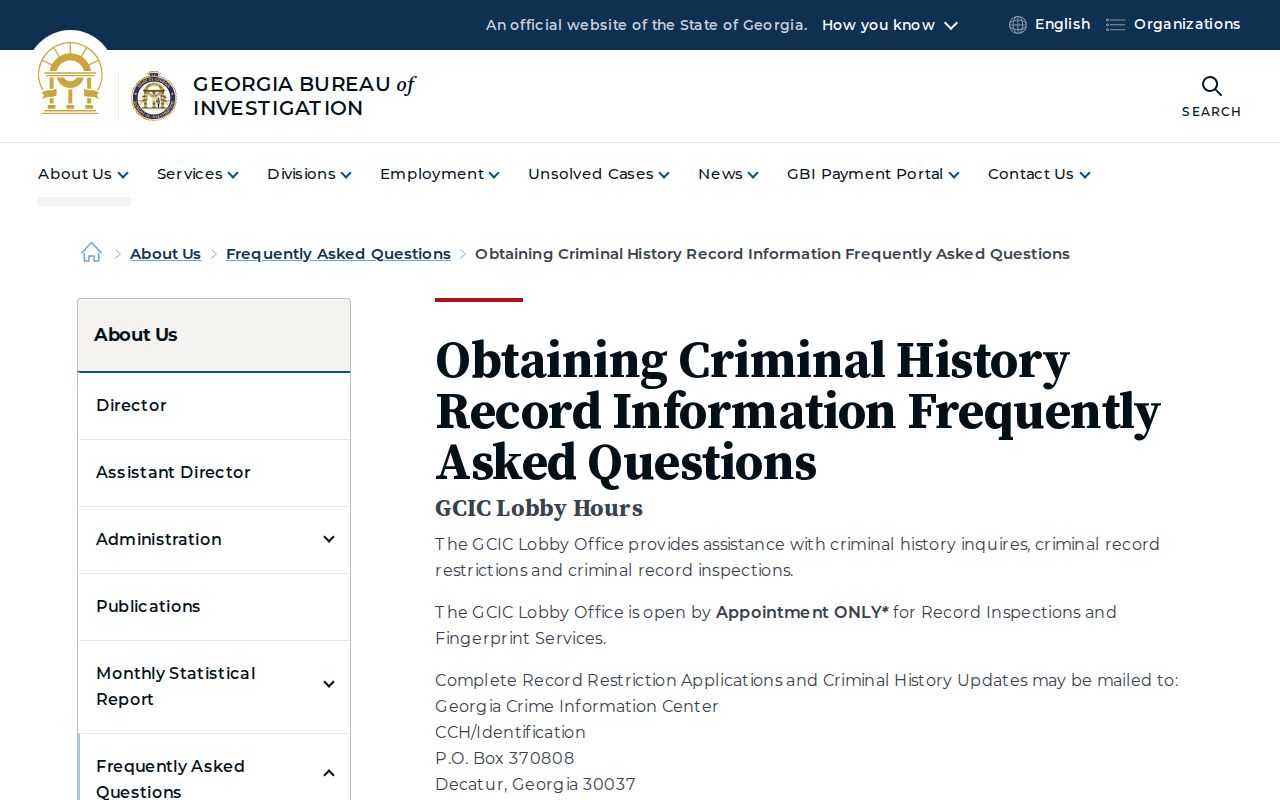
When a result carries real consequences, compare the original report, the proper court disposition, and the appropriate statewide self-review product.